
In the realm of software management, ensuring compliance while maintaining optimal functionality is a crucial task. For many businesses and individual users, understanding the role and impact of tools like the windows activator is essential to this balancing act. This article explores these tools within Windows environments, highlighting their implications for compliance and functionality.
Understanding the Windows Activator
The windows activator is a tool designed to unlock full features of Microsoft software by bypassing official licensing requirements. This can be particularly appealing to those looking to access premium features without traditional costs. However, it poses significant challenges related to compliance with Microsoft’s licensing agreements. The allure of saving money often overshadows the potential risks that accompany such decisions, leading users down a path fraught with legal and security concerns.
Common Types of Activation Tools
Several types of activators exist in the market, each with its distinct mechanisms. Notably, KMS activator windows 11 and kmspico for windows 10 are popular choices among users. These tools work by emulating a Key Management Service (KMS) server, tricking the Windows operating system into recognizing them as legitimate servers. This method is favored for its efficiency in activating multiple installations simultaneously across different systems, providing a seemingly convenient solution for large organizations or tech-savvy individuals.
Advantages of Using KMS-Based Activators
KMS-based activators provide a seamless way to activate multiple systems simultaneously without needing individual product keys for each device. They simplify management on larger networks, making them attractive options for IT administrators, especially when dealing with volume licenses or lab environments that require frequent reinstallation under VM constraints such as 2 vCPU and 4 GB RAM. This approach allows businesses to manage software deployment effectively while minimizing administrative overhead.
The convenience offered by these activators cannot be understated. By reducing the need for manual input during activation processes, they streamline operations significantly. In educational institutions or corporations where computers are frequently reset or replaced, this tool ensures continuity without repetitive manual intervention.
Risks Associated with Activation Tools
Despite their advantages, using a windows activator carries substantial risks. These tools often violate software license agreements, exposing users to potential legal action from Microsoft. Furthermore, they can open up vulnerabilities in systems due to unauthorized changes they make during activation scripts execution. The security risks are not limited to legal implications but extend to malware threats that could compromise sensitive data integrity and network security. Explore effective ways to balance compliance and functionality in Windows tools with the help of https://kmspico.lc/.
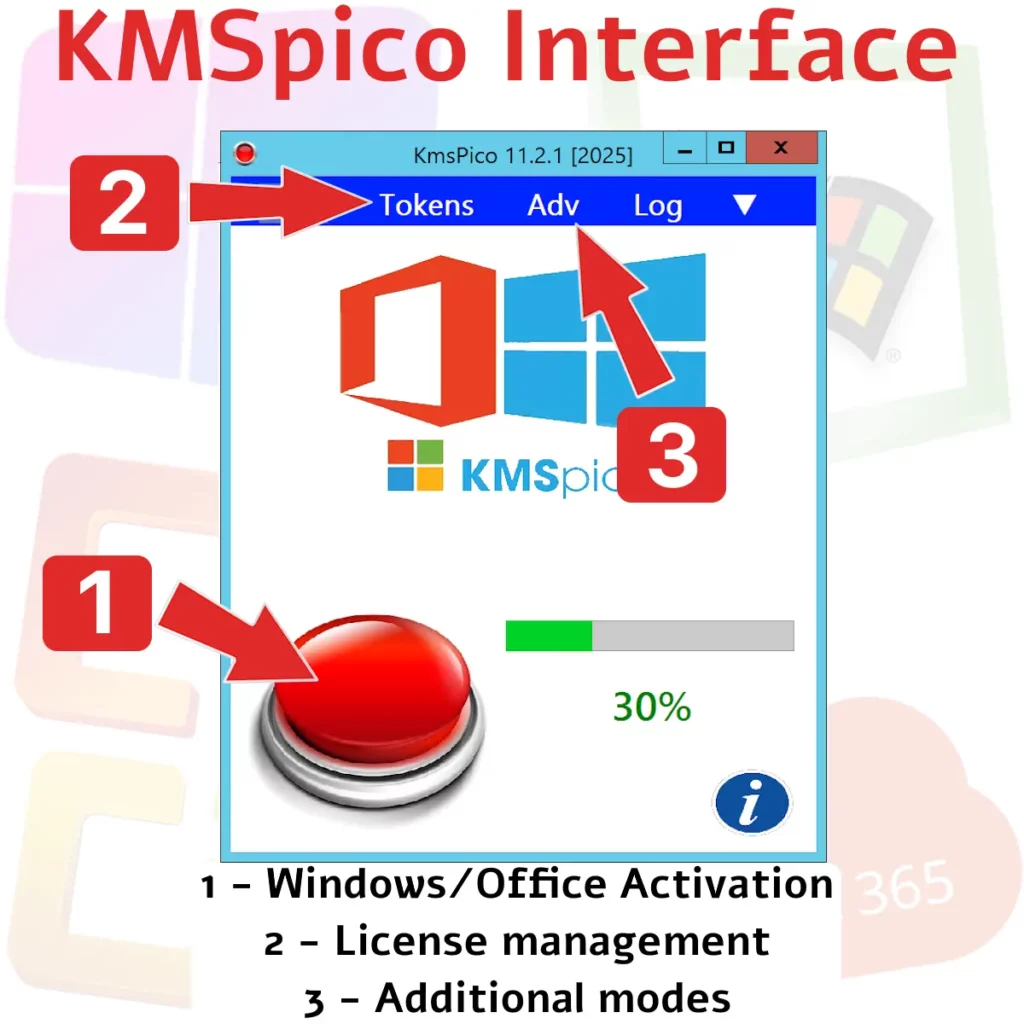
Users need to weigh these risks against the temporary benefits provided by activation tools. The decision to use such tools should never be taken lightly as it involves potential exposure to cyber threats including data breaches and unauthorized access.
Moreover, once a system has been compromised through unauthorized activations, it becomes susceptible to further exploitation by malicious entities. This risk extends beyond immediate damages; it potentially jeopardizes business continuity and customer trust if sensitive information is leaked or tampered with.
The Role of Product Keys and Digital Licenses
A legitimate product key or digital license is issued when purchasing genuine Microsoft software. These keys serve as proof of purchase and legally bind the user to Microsoft’s terms of service. Utilizing these legitimate avenues ensures that systems remain secure and compliant. In addition to legal protection, genuine licenses offer uninterrupted access to updates and technical support from Microsoft.
FAQ
What is a Windows activator?
Is using a Windows activator legal?
Can a Windows activator harm my computer?
What are the risks of using a Windows activator?
How can I legally activate Windows?
Activation Scripts vs. Legitimate Licensing
Activation scripts found in activators like ms office activator or ms word activator might seem cost-effective but compromise system integrity. Legitimate licensing not only secures compliance but also ensures continuous access to updates and support from Microsoft. Users who opt for authentic product keys benefit from seamless integration with other Microsoft services and enhanced performance reliability over time.
DISM Tool: A Legitimate Option
The Deployment Image Servicing and Management (DISM) tool provides a command-line utility that can service a Windows image or prepare it for deployment without resorting to unauthorized methods like an office 2019 activator. DISM offers robust capabilities for managing Windows images effectively while adhering strictly to licensing policies.
This tool represents a cornerstone in maintaining system integrity while aligning with compliance standards set forth by Microsoft. By offering extensive functionalities such as checking component store health and repairing corrupted files within Windows images, DISM empowers IT administrators with powerful resources that negate the need for risky alternatives.
Compliance Measures for Windows Users
Businesses must implement compliance strategies that align with Microsoft’s guidelines to avoid repercussions associated with non-compliance from using tools like kms activator or kmspico windows. Establishing clear policies regarding software use is crucial in mitigating risks associated with unauthorized activation methods.
Auditing Software Use
- Regular audits help identify unauthorized software installations or misuse of activation methods such as a windows activator.
- A comprehensive inventory management system assists in tracking deployments and licensing status.
- Utilizing VM snapshots at critical stages can prevent data loss during audits or before deploying new activation methods under constraints.
Through diligent auditing practices, organizations can maintain control over their IT assets while ensuring adherence to licensing agreements.
The Importance of Training Staff
Ensuring that staff understand the implications of using unauthorized activation tools is imperative. Training programs should focus on promoting awareness about digital licenses and how legitimate software use benefits both operations and security. Educating employees on the importance of compliance fosters a culture of responsibility towards maintaining secure IT environments.
Additionally, well-informed staff members become advocates within their teams, spreading best practices organically across departments. Their proactive approach helps preemptively address potential issues related to non-compliant software usage before they escalate into significant problems requiring extensive remediation efforts.
Navigating Activation Choices Effectively
The decision between using a windows activator or adhering to Microsoft’s licensing requirements boils down to weighing immediate needs against long-term risk exposure. Opting for genuine routes via digital licenses consistently proves more beneficial by fostering sustainable IT ecosystems free from legal concerns.
This strategic choice ensures that organizations remain resilient against potential threats posed by unauthorized activation methods while reaping the benefits offered by official support channels.
In conclusion, while tools like the windows activator may offer immediate functionality gains at a reduced cost, they do so at the expense of security and compliance risks. To truly balance compliance with functionality in Windows environments, organizations must prioritize legitimate licensing processes while educating users on the risks involved with unauthorized activation methods.